

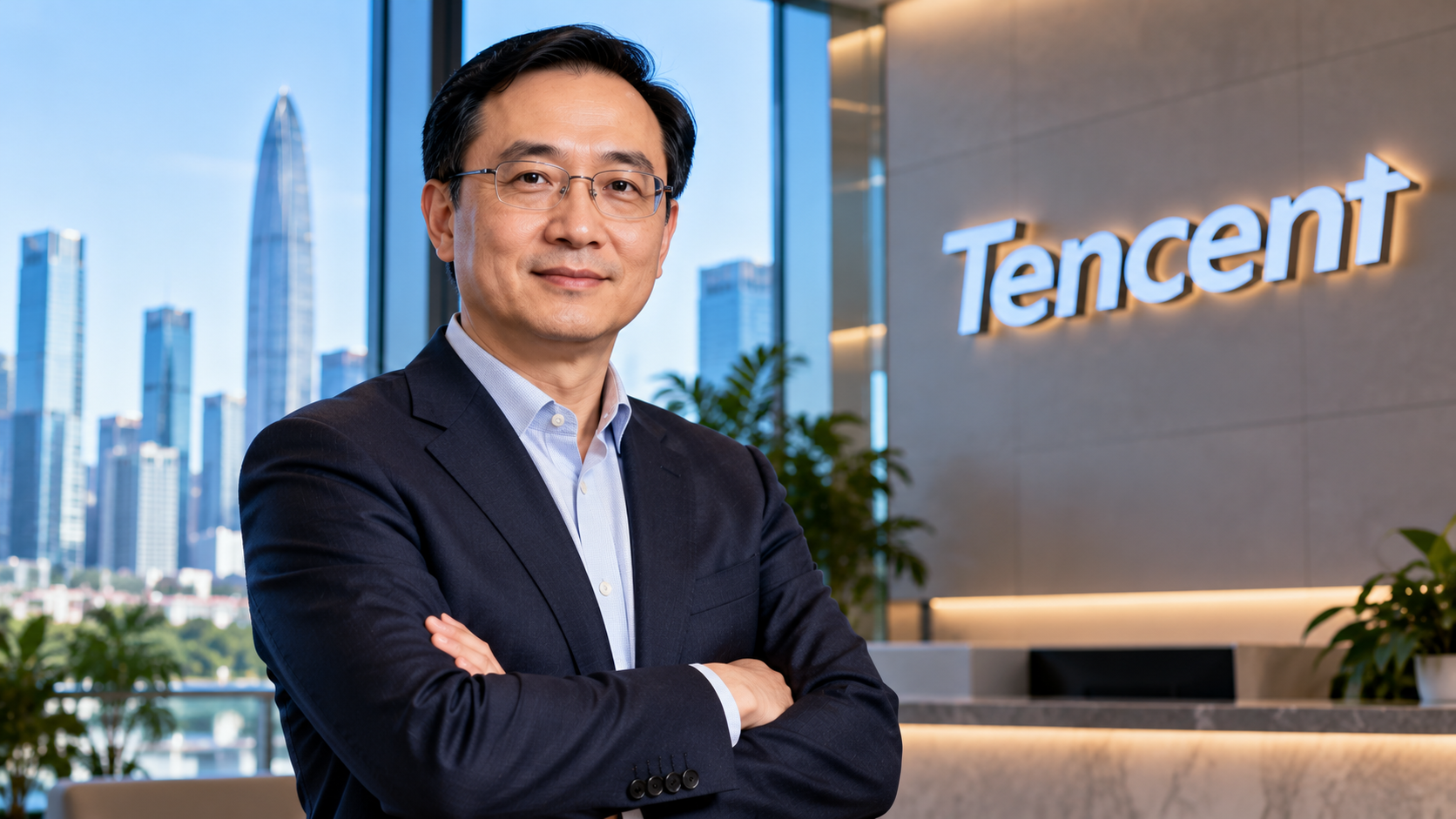
Martin Lau is a prominent Chinese business executive best known as the President of Tencent Holdings, one of the world’s largest technology and internet companies. With extensive experience in investment banking, corporate strategy, and business management, Lau has played an important role in Tencent’s global expansion. His leadership and strategic decisions have helped establish Tencent as a major force in gaming, social media, and digital services.
Who Is Martin Lau?
Martin Lau, also known as Lau Chi Ping, is a Chinese businessman and technology executive. He was born in Beijing, China, and grew up in Hong Kong.
He gained international recognition through his leadership position at Tencent Holdings, the company behind popular digital platforms such as WeChat and QQ.
Since becoming Tencent’s President in 2006, Lau has contributed to the company’s business operations, investments, and strategic development.
Early Life and Education
Martin Lau developed a strong educational background in engineering and business management.
He earned a bachelor’s degree in electrical engineering from the University of Michigan in 1994.
He later completed a master’s degree in electrical engineering at Stanford University in 1995.
In 1998, he earned an MBA from Northwestern University’s Kellogg School of Management.
This combination of technical and business education helped prepare him for leadership roles in the technology and financial industries.
Martin Lau’s Early Career
Before joining Tencent, Martin Lau worked at McKinsey & Company as a management consultant.
He later joined Goldman Sachs, where he became an executive director in its Asian investment banking division.
He also served as Chief Operating Officer of the firm’s Telecom, Media and Technology Group.
These positions provided valuable experience in corporate finance, mergers, acquisitions, and strategic planning.
Martin Lau’s Career at Tencent
A major turning point in Martin Lau’s career occurred in 2005 when he joined Tencent as Chief Strategy and Investment Officer.
His initial responsibilities included corporate strategy, investments, mergers, acquisitions, and investor relations.
In 2006, he was promoted to President of Tencent, taking responsibility for managing the company’s daily operations.
He subsequently became an executive director in 2007.
His experience in financial management and strategic investments helped Tencent expand its business presence.
Leadership and Business Achievements
Martin Lau has contributed to Tencent’s development into a diversified technology company.
Tencent operates across multiple industries, including online gaming, social networking, digital advertising, financial technology, and cloud services.
Lau’s strategic background has supported the company’s investment activities and business partnerships.
His management approach emphasizes long-term business development, operational efficiency, and sustainable growth.
Through his leadership responsibilities, he continues to influence Tencent’s corporate direction.
Martin Lau Net Worth
Martin Lau’s net worth has attracted attention because of his involvement in Tencent’s growth.
According to Forbes, his estimated net worth was approximately $2.8 billion as of October 20, 2026.
His wealth is closely connected to his business interests and Tencent’s market performance.
However, billionaire net worth estimates frequently change because of fluctuations in share prices and other financial factors.
Why Is Martin Lau Famous?
Martin Lau is famous for his leadership position at Tencent and his extensive experience in technology investments.
His career demonstrates how financial expertise, technical knowledge, and strategic thinking can contribute to managing a successful multinational company.
He is recognized as an influential executive within the Asian technology industry.
Conclusion
Martin Lau has established an impressive career through investment banking, business strategy, and technology leadership. From his early professional experience at McKinsey and Goldman Sachs to his role as Tencent’s President, he has contributed to the development of a globally recognized technology business.
His professional journey highlights the importance of education, innovation, and strategic decision-making in achieving long-term business success.
